See What You're Actually Competing Against
Your shopper isn't comparing your vehicle to a valuation guide. They're comparing it to eleven similar units listed within driving distance, sorted by price. Competitive View shows you that same list, so you're pricing against reality.
The comparison your shopper is making
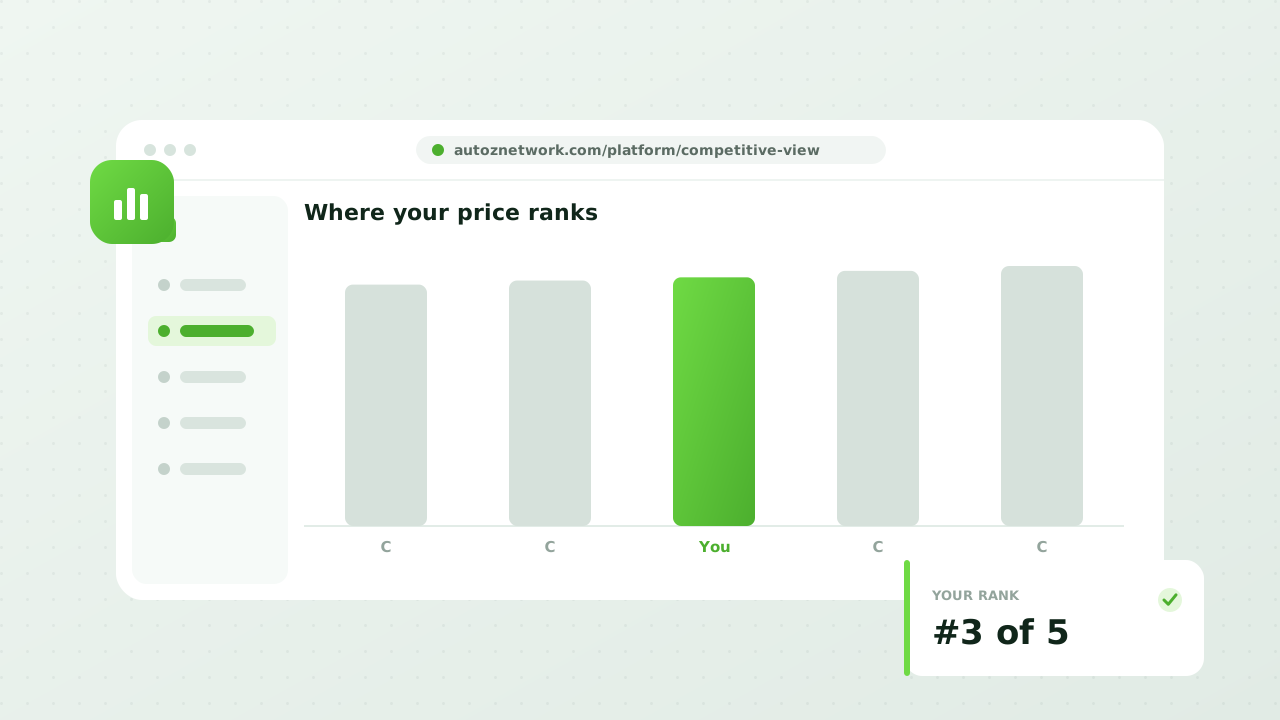
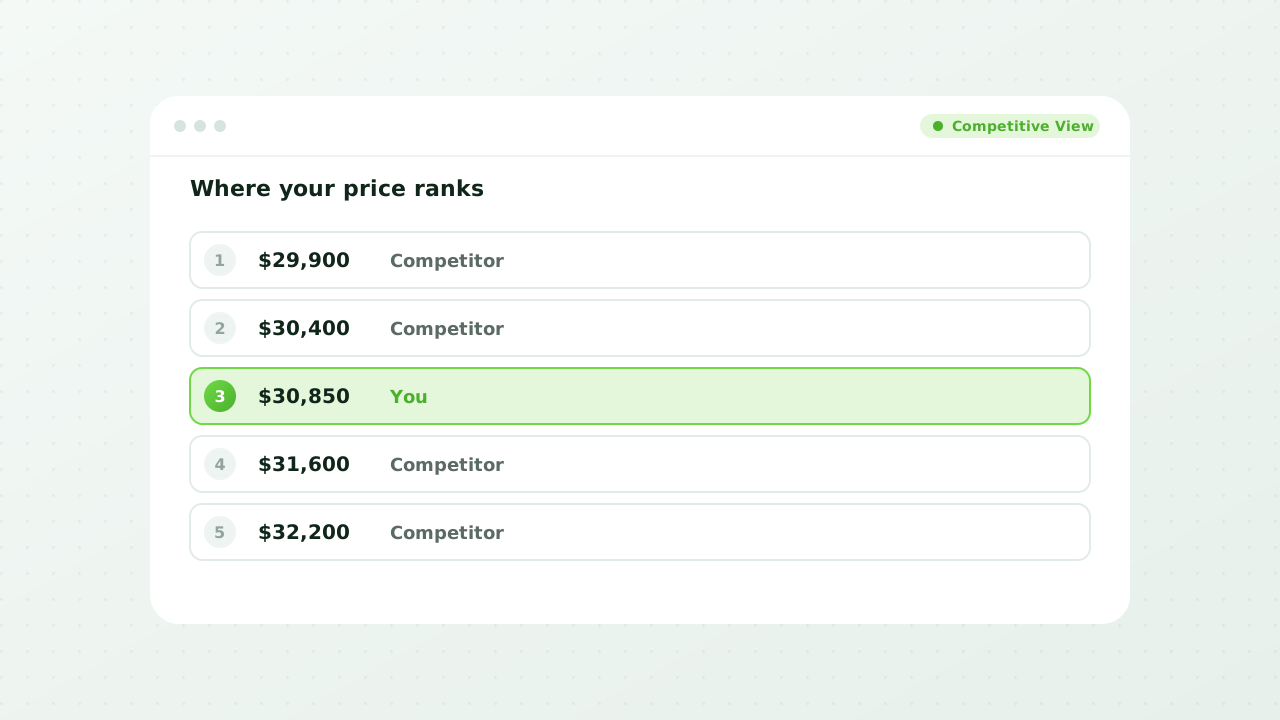
Price is a ranking, not a number
A shopper doesn't evaluate whether your price is fair in the abstract. They sort a list and start at the top. What matters isn't your number, it's your position, and that changes every time a competitor reprices.
- Real Comparables
- Matched on trim, mileage, and equipment, so you're comparing the vehicle to its actual rivals.
- Your Radius
- Set the distance that reflects where your buyers really shop.
- Where You Rank
- Your position in that list, in plain terms. Cheapest, middle, or highest, and by how much.
Not just their price
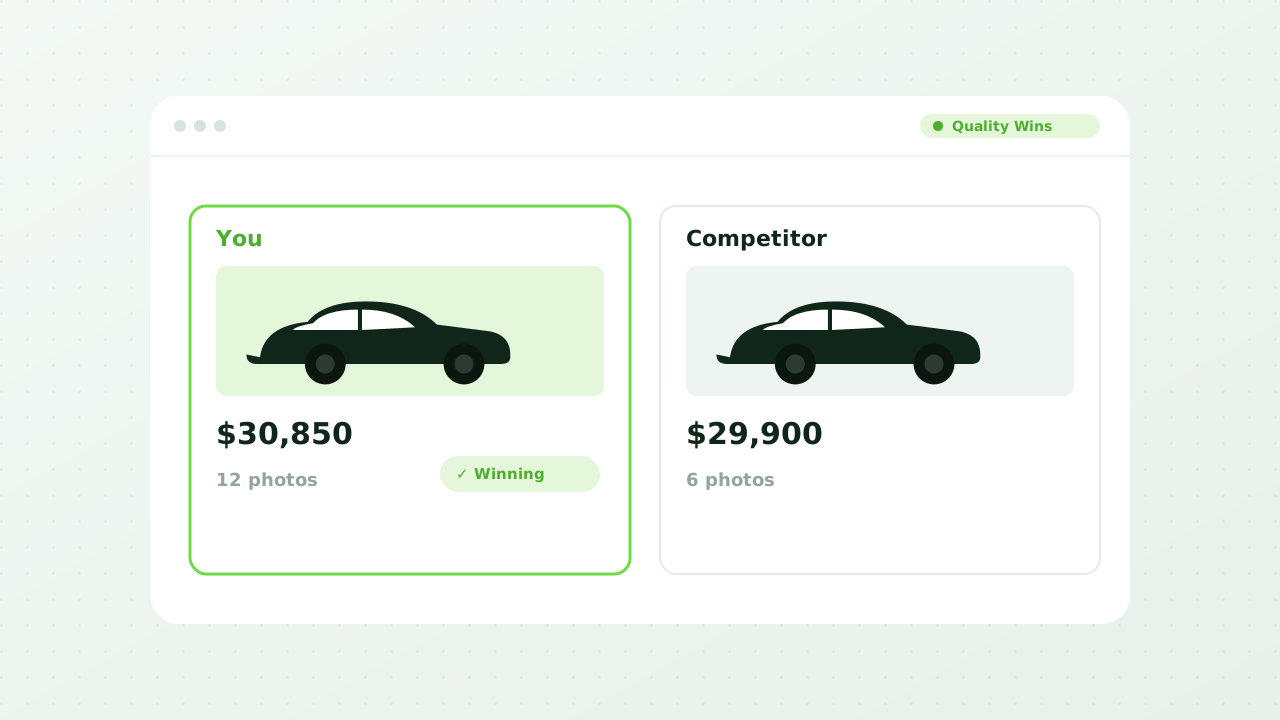
A cheaper competitor with six photos isn't beating you
Price position is the headline, but it isn't the whole story. A unit listed lower with a bad gallery and no description loses to a well-merchandised vehicle every time, and knowing that changes whether you should chase it down.
- Days on Market
- See how long competing units have been sitting. A stale listing next to yours is about to get cheaper.
- Their Price Changes
- Watch how competitors are moving on price and how quickly.
- Merchandising Comparison
- Photo counts and description quality on competing listings, next to your own.
- Supply Count
- Three comparable units in your market is a different situation than thirty.
Buy and sell with the same view
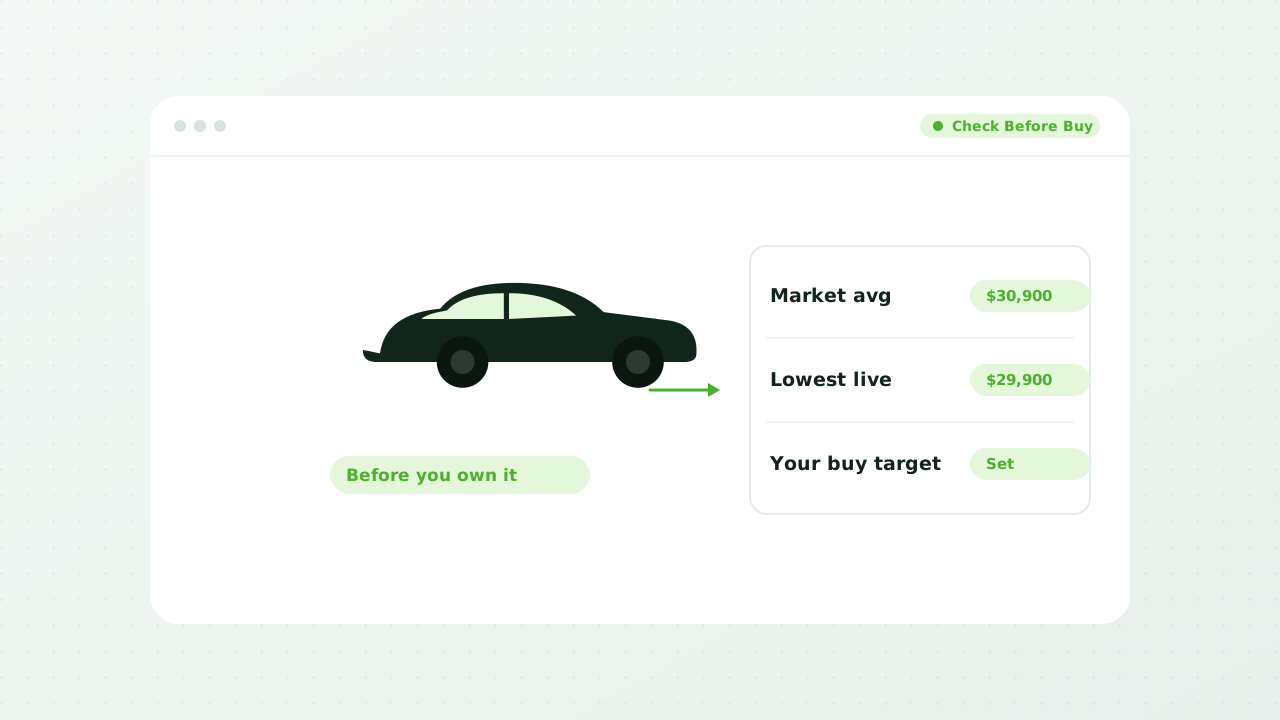
The best time to check the competition is before you own the car
Competitive data is usually treated as a pricing tool, which means it arrives after you've already committed. Looking at local supply during the appraisal is what stops you from buying the twelfth identical unit in your market.
- Inside the Appraisal
- Know how crowded the market is for a vehicle before you take it in, not after.
- Repriced in Place
- Adjust from the same screen and the change syndicates out with your next feed.
- Find the Gaps
- Segments with real demand and thin local supply are where your next unit should come from.